Product News

DNA and RNA Extraction Kit vs Magnetic Bead DNA Extraction Kit: Which Is Better for Molecular Testing?

The word versus suggests two competing methods, yet the labels in this comparison describe different characteristics. DNA and RNA identify the material being recovered; magnetic beads identify a purification mechanism. A DNA and RNA extraction kit can use that very mechanism. Answering which is better therefore requires a common testing task, followed by comparison of the reagents and procedures that could perform it, rather than a ranking based on names alone.
Separate the Analyte from the Extraction Mechanism

Two descriptions can apply to the same reagent without contradiction. A DNA and RNA extraction kit states a scope covering both nucleic acid classes, subject to its intended use. A magnetic bead DNA extraction kit describes DNA preparation using a magnetic solid phase. The second description neither establishes RNA recovery nor rules out another magnetic reagent designed for both analytes.

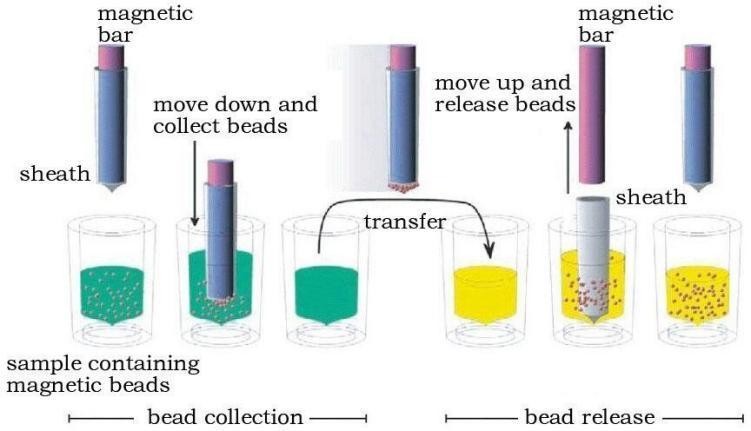
During a magnetic procedure, nucleic acids associate with bead surfaces under suitable binding conditions. Magnetic separation retains the solid phase while liquid is removed or exchanged. Subsequent washing and elution serve different chemical purposes. The magnet organizes separation; the complete reagent system and protocol determine how the intended material is captured and released.

This distinction changes the comparison question. The meaningful alternatives are named reagents suitable for a defined analyte and specimen, with their respective operating procedures. Comparing an analyte category against a mechanism category would combine two classification axes and leave the laboratory without evidence about the actual task either product can perform.

Give the Comparison a Shared Testing Objective

A viral RNA assay and a human DNA assay ask extraction to deliver different materials. Their specimen labels may overlap, but their preparation objectives remain distinct. Before assessing speed or automation, the laboratory can identify the target material required by the intended molecular test and exclude reagents whose stated use does not address that objective.

Magnetic chemistry also underlies a reagent designed for both viral nucleic acid classes: the BioPerfectus Viral DNA/RNA Extraction Kit (Magnetic Bead Method). A second reagent, the Whole Blood DNA Extraction Kit (Magnetic Bead Method), uses the same mechanism to purify DNA from human whole blood. Here, matching mechanisms coexist with different preparation objectives.

A magnetic bead DNA extraction kit can therefore be relevant to a DNA request without providing evidence for an RNA request. Conversely, a reagent described as covering DNA and RNA still needs an applicable analyte statement and specimen scope. Broader wording does not answer whether the particular material required by the laboratory has a supported extraction route.

Compare Measurements Under Matching Conditions

Sample input, elution volume and recovered quantity answer separate questions. Input describes the material committed to preparation; eluate describes the liquid recovered; yield describes the nucleic acid obtained. Comparing one product’s input with another product’s eluate would misidentify the quantities before any performance judgement could begin.

Within the BioPerfectus examples, the viral kit specifies a 200–800 µL input and 70 µL eluate. The whole-blood DNA kit specifies 200 µL and 100 µL respectively. These figures belong to different intended uses. They explain each procedure’s material flow without demonstrating that one reagent recovers more of a shared target than the other.

A direct recovery comparison would require comparable starting material, a defined target and a consistent measurement method. Otherwise, a difference can originate in the input rather than extraction performance. The same caution applies to purity: concentration and absence of interference are different properties, so a larger nucleic acid measurement cannot by itself establish better downstream amplification.

Replicate preparations provide another comparison beyond a single yield figure. With a defined starting material, repeated extractions can be examined for variation in the receiving assay and for evidence of interference.

A candidate that produces an acceptable average still needs assessment of individual preparations. Such observations establish performance for the tested combination; the comparison record needs the specimen, reagent, instrument program and analytical method so that evidence remains attached to what was actually evaluated in the laboratory.

Timing also requires equivalent endpoints. A purification interval and a route that includes reaction setup cover different work. Comparisons can retain both figures if each operation is named, but the shorter number cannot be treated as evidence of a faster complete testing pathway. The proposed workflow supplies the basis for deciding which interval matters.

Choose Between Applicable Procedures

Once both candidates address the same target and specimen, practical differences become meaningful. The instrument must execute the required protocol, the available sample must meet the input condition, and the eluate must suit the receiving test. A DNA and RNA extraction kit earns a place in that comparison through its supported application and operating requirements.

The two BioPerfectus products demonstrate that magnetic chemistry can serve distinct analytical purposes. Assessment of a magnetic bead DNA extraction kit can then focus on the proposed DNA procedure, its materials and the evidence connecting preparation with the intended assay. Any claim of superiority needs a defined comparison and supporting results under relevant conditions.

A fair choice emerges from equivalent tasks and interpretable measurements. Analyte scope establishes eligibility, while the specimen, protocol and downstream requirements establish practical suitability. Neither label wins by containing more nucleic acid types or by naming a separation technology; the better option is the supported procedure that answers the laboratory’s particular molecular testing question.

Transparent or Solid? One-Button Dual-Mode Screens for Any Show

An opening performance might reveal dancers and illuminated scenery behind a video surface, followed immediately by a presentation requiring a denser graphic background. Across those adjacent scenes, the screen has different jobs. A fixed choice between open and solid presentation can limit how the program moves from one visual setting to another.

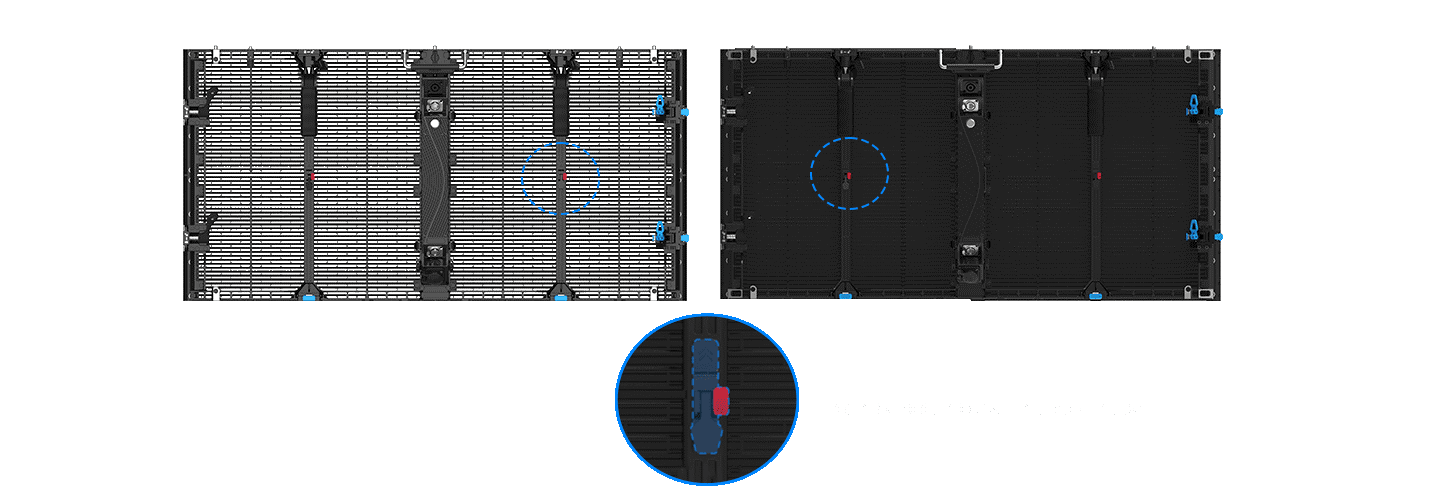
The optional shutter system offered with YES TECH MT II gives that change a physical mechanism. When specified, it enables one-button switching between transparent and solid modes. For an indoor rental LED display serving successive program segments, the starting question concerns which moments reveal the background and which concentrate attention on video.

The Background Follows the Program

A reveal depends on something being concealed or exposed at the intended moment. In MT II’s transparent configuration, at least 50% transparency leaves portions of lighting and scenery visible through the display.

This can support an entrance, a dance sequence or a scenic reveal in which the space behind the video becomes part of the action. A lit set piece can become the destination of that reveal, rather than remaining merely decorative background.

A subsequent segment may give the video greater visual responsibility. A solid background offers a denser surface for a presentation or branded sequence, reducing the role of the physical background in that composition. During event LED screen rental planning, these opposing tasks can belong to the same screen rather than requiring the program to retain one visual treatment throughout.

Daylight and darkness influence the appearance of either state, but neither dictates the choice. An evening performance may depend on visible rear lighting; a daytime presentation may call for a solid video background. The program’s subject, intended reveal and surrounding illumination establish the reason for each mode. Time of day supplies context rather than a fixed transparent-to-solid schedule.

The Shutter Is an Equipment Choice

One-button switching belongs to the optional shutter arrangement, so the supplied configuration determines whether that function is available. The optional shutter system provides one-button switching between transparent and solid modes, allowing the same installed screen to support different visual presentations. The distinction matters before the equipment arrives: an MT II order and an MT II order including shutters describe different provisions for a show that changes presentation modes.

An indoor rental LED display fitted with this option retains its underlying LED grid when the shutters change state. Horizontal pixel pitch remains 3.9 mm and vertical pitch remains 7.8 mm.

The denser background comes from the presentation configuration, without additional pixels appearing between scenes or a new resolution being created by the button operation. Content teams consequently retain the same native pixel map while preparing the two visual treatments.

A rental manifest can identify the shutter-equipped units against the scenes that require them. For event LED screen rental involving a single continuous program, that information connects the creative request to the actual equipment package. Operators can place the change in the running order without assuming a particular switching duration or automatic integration with the show’s cue system.

One Screen Footprint, Several Scenes

The same installed outline can accommodate different background treatments over the evening. MT II offers 1000 by 500 by 83 mm and 500 by 500 by 83 mm cabinets, both using 500 by 250 mm modules.

These sizes provide different increments for establishing the screen dimensions before the production assigns its successive scenes to that surface. The smaller format also provides a finer increment where the proposed outline reaches its edge.

Their respective cabinet resolutions are 256 by 64 and 128 by 64 pixels. Program artwork follows the assembled pixel dimensions in either presentation mode. For an indoor rental LED display, a title sequence and a later scenic animation may occupy the same canvas while using very different amounts of bright imagery and exposed background within it.

Output selection accompanies this preparation. MT II has a white-balance brightness range of 4000–4500 nits, with the solution reaching 4500 nits offered as an option. That choice concerns available light output, separately from the optional shutters. Specifying a brighter configuration alone does not establish switching capability, and choosing shutters does not establish that the high-brightness option has been supplied.

Writing the Change into the Cue

A transition has a before, a change and an after. The cue can name the outgoing scene, the intended shutter state and the lighting treatment that accompanies the next image. Reviewing that sequence exposes practical questions that a static preview misses, including whether the reveal occurs during a blackout, between speakers or as part of visible action. Those placements give the transition an identifiable position in the show’s detailed running order.

Rehearsal can run the actual sequence while the production observes both states and the intervening change. In event LED screen rental, this gives operators a shared reference for the cue rather than an instruction simply to make the screen transparent. The resulting cue notes record the intended image and background relationship at each point in the program.

An entrance, a presentation and a closing performance can each ask something different of the same backdrop. MT II’s optional shutters give those requests a selectable physical state, while the program supplies their dramatic purpose. The finished sequence moves attention between video and the scene behind it, allowing the background’s role to change without replacing the installed screen.

What Trends Are Leading Conference Table Manufacturers Following for Modern Meeting Room Table Designs?

Two contemporary tables can look nearly identical in a photograph while differing in how they move, how their parts are specified, and how they handle sound or privacy. That difference explains a major direction among conference table manufacturers: design is moving from a single finished object toward a configurable system. The relevant trends can be assessed by asking which material, mechanism, and accessory choices change the table’s performance in an actual meeting room.

Mobility, low-emission boards, coordinated finishes, and optional panels are often grouped together as style claims. They solve different problems. A castor changes room setup; a tabletop core affects the specified material; an acoustic panel can influence the character of a shared workspace. Treating these as separate design decisions makes a modern meeting room table easier to evaluate.

Specify the Material and Support System

Tabletop material is a visible part of a procurement decision, but its published specification needs context. E0-grade particle board with a melamine finish identifies a board class and surface treatment; it does not by itself determine whether a table will remain stable after repeated moving. The frame, brackets, and connection to the top have their own structural roles.

COLIN LS-701 makes that component-level approach concrete in Leadcom Seating‘s range. COLIN pairs a melamine finish with its specified 25 mm thick E0-grade particle-board tabletop. The base is powder-coated aluminum, the column is 1.5 mm powder-coated steel, the beam is 50 × 1.5 mm cold-rolled steel, and the tabletop bracket is 3 mm steel. Each part can be checked against the stresses it faces rather than treated as one vague material claim.

Conference table manufacturers can customize a meeting room table by specifying its frame and top separately. COLIN’s metal frame comes in published lengths of 1150, 1350, and 1750 mm. Corresponding tabletop lengths are 1200, 1400, and 1800 mm, with depth from 500 to 550 mm. The choices let a project match a module to its room without assuming that one top size or leg position fits every use.

Component schedules matter after installation. When replacing a damaged tabletop, buyers should confirm its dimensions, finish, mounting points, and compatibility with the existing frame before ordering. Castors, brackets, and panels need traceable specifications so visually similar options do not become incompatible.

Finish consistency remains important across several rooms. Powder-coated metal can be specified in standard white or optional silver and black for this model. These colors have a design function when mobile tables stand next to fixed furniture, but the finish schedule must identify the selected option for every component. A room can look inconsistent even when all its tables share the same product name.

Make Reconfiguration a Measurable Feature

A flip-top mechanism changes a table’s storage footprint after the working surface is no longer needed. Lockable 2-inch PU castors on COLIN allow movement and a defined parked position. The operational advantage depends on whether staff can fold, roll, and secure several tables within the time available between meetings. Movement should be tested with the intended floor surface and doorway clearances.

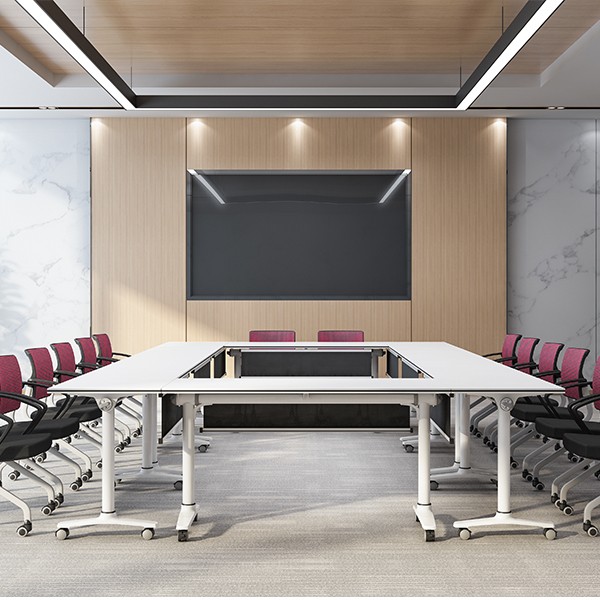
Conference table manufacturers increasingly offer modular sizes because meeting formats vary. Several short units can support training rows or small groups, then move aside for an event. A long fixed surface offers a different kind of utility: it stays ready for a stable meeting format. The trend is not universal mobility; it is giving a project enough documented choices to match the frequency of change.

The mechanism also creates maintenance questions. A table that moves often needs accessible locks, a repeatable folding path, and support that remains firm when the top is open. Buyers can ask how the caster, hinge, and bracket are inspected or replaced. A finish may remain attractive while a loose moving joint makes the room difficult to reset.

Repeated changeovers test assembly quality. A trial with several tables can reveal alignment and nesting problems that a sample hides. The frame, top, and castors need evaluation as a group.

Optional accessories can either serve the use case or complicate it. A book rack may support training materials, whereas a frequently moved conference setup may prioritize clear legroom. The choice should be made against the tasks carried out at the table, not by adding every available option.

Treat Privacy and Acoustics as Layout Decisions

COLIN’s optional modesty panels include steel, MFC, mesh fabric, and acoustic-panel versions. A panel can provide visual screening beneath a table or change how its underside looks, while an acoustic version may be relevant where several groups work close together. The performance of a whole room still depends on wall, floor, ceiling, and occupancy conditions; a table panel alone cannot establish an acoustic result.

This is where current design trends become specific. The same meeting room table can be specified with a different panel, size, finish, or mobility setup according to the room’s tasks. An approval sample and component schedule make those options concrete for purchasing and replacement.

A detailed component schedule turns this design trend into separate, checkable requirements for materials, movement, and accessories. Repeated room resets can then reveal whether the chosen hinge, frame, and panels remain suited to the room’s planned meetings through daily use.