
A dedicated cinema room involves much more than installing a large display on the front wall. Picture quality, sound reproduction, room acoustics, lighting, and seating geometry all influence whether films feel immersive or simply appear oversized. A well-planned home theater screen needs to work as part of a coordinated audiovisual environment, with each component supporting the others.
Display technology from manufacturers such as Ledman also makes it possible to consider direct-view LED systems as an alternative to conventional projection, although the supporting equipment and room design remain equally important.
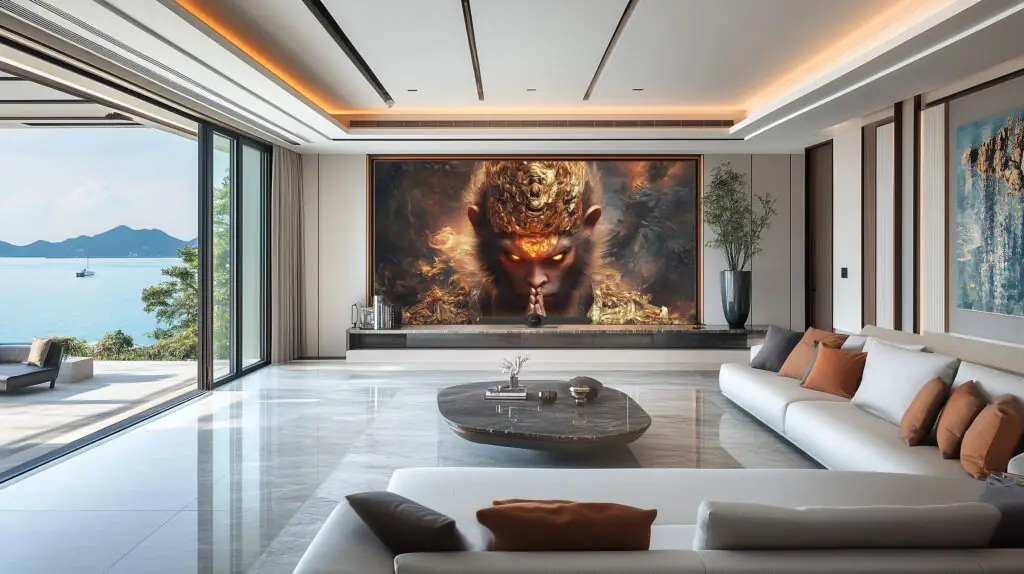
Matching the AV Receiver and Media Player
The AV receiver acts as the central connection point for many home cinema systems. It receives audio and video signals from source devices, distributes images to the display, and sends sound to the connected speakers. Its HDMI bandwidth, supported resolutions, HDR formats, audio decoding capabilities, and number of input channels should match the equipment planned for the room.
A media player provides the content itself. Streaming devices, Blu-ray players, gaming consoles, and dedicated media servers may all serve as sources, but their output capabilities differ. A system intended for 4K HDR playback should use compatible source hardware, signal cables, and processing equipment throughout the chain. Otherwise, a capable LED display screen may not receive the full image signal supported by the original content.
Signal compatibility deserves attention before installation. HDMI versions, HDCP requirements, refresh rates, colour formats, and audio return channel support can affect how devices communicate. A simple connection diagram helps identify the route from each source to the receiver and then to the display, reducing troubleshooting during commissioning.
Controlling Room Acoustics and Sound Distribution
Sound quality depends heavily on the room itself. Bare walls, hard floors, and large windows can create reflections that make dialogue less clear and bass less controlled. Acoustic panels, thick curtains, carpets, and strategically placed furnishings can help manage these reflections, although treatment should be based on the room’s actual acoustic behavior rather than decoration alone.
Speaker placement determines how sound reaches the audience. A surround arrangement typically positions the front left, centre, and right speakers around the display, with additional surround and height channels creating a more three-dimensional sound field. The centre speaker deserves particular attention because it carries much of the dialogue in film mixes.
Bass management is another essential part of system configuration. Subwoofers interact with room dimensions and can produce uneven low-frequency response depending on their location. Calibration tools and measurement microphones can help identify problematic frequencies and adjust speaker distances, crossover settings, and output levels. A large home theater screen may dominate the room visually, but balanced audio is what makes the viewing experience feel convincing.
Managing Ambient Light and Screen Visibility
Light entering a cinema room can affect perceived contrast and colour. Windows, reflective wall finishes, glossy furniture, and decorative lighting may introduce unwanted glare or reduce the apparent depth of dark scenes. Blackout curtains or adjustable blinds offer practical control, while matte finishes around the viewing area can limit reflections.
The display’s brightness should be considered alongside the room’s lighting conditions. Projection systems often require substantial control over ambient light, whereas direct-view LED technology can operate at higher brightness levels in a wider range of environments. However, excessive brightness in a dark room may cause eye fatigue, so screen settings should be adjusted to suit both content and viewing conditions.
LED technology also requires attention to pixel pitch and viewing distance. A finer pitch generally produces a smoother image when viewers sit close to the display, while a larger pitch may be suitable for a bigger room with more distant seating. These factors influence how clearly details appear across the LED display screen, particularly during high-resolution film playback.
Planning Seating Geometry and Display Installation
The first seating row should be positioned according to screen dimensions, resolution, and personal viewing preference. A screen that occupies too much of the viewer’s field of vision can cause discomfort, while excessive distance may reduce the sense of immersion. Testing different viewing positions before fixing seats or installing equipment can prevent expensive adjustments later.
Sightlines matter just as much as distance. Every seat should have a clear view without heads or furniture obstructing the image. For multiple rows, raised platforms can improve visibility, but riser height should account for seat dimensions, viewer posture, and the vertical position of the display. The screen centre should generally align with a comfortable seated eye level.
The physical display structure also needs careful planning. Wall strength, mounting depth, ventilation, cable access, electrical capacity, and maintenance clearance should be reviewed before installation. Ledman has a team of more than 3,000 certified engineers, reflecting the technical expertise available across its display-related work. Such engineering resources are relevant when assessing the structural, electrical, and system-integration requirements of a specialized installation.
Conclusion
A successful cinema room is the result of coordinated decisions rather than a single equipment purchase. The receiver and media player establish signal compatibility, acoustic treatment improves sound clarity, lighting control protects image visibility, and seating geometry determines how comfortably the audience experiences the picture.
Each element should be assessed in relation to the room’s dimensions and intended use. Ledman operates in the display technology sector, where screen performance is only one part of a broader installation environment. Careful planning across audiovisual equipment, room treatment, and physical layout can turn a collection of devices into a cohesive home cinema system.

