Designing a feed mill for sub-Saharan Africa infrastructure requires careful planning around energy stability, material availability, and operational support. Companies need systems that match local conditions while maintaining reliable output. A practical approach considers equipment configuration, service needs, and production goals before project execution begins.
Assessing Infrastructure Conditions Before Project Planning
Feed projects in sub-Saharan regions often face unstable electricity supply, which makes energy planning essential. A suitable feed machine design should consider voltage protection, backup power arrangements, and equipment reliability to maintain continuous operations during challenging site conditions.
Local infrastructure affects transportation, installation, and future servicing requirements. Project developers need layouts that allow equipment access, spare part delivery, and technician movement. These factors support stable operations and reduce interruptions throughout the production cycle.
Raw material conditions also influence system design because agricultural resources vary between regions. A well-planned facility should match processing methods with available ingredients, helping manufacturers achieve consistent output while managing supply variations across different seasons.
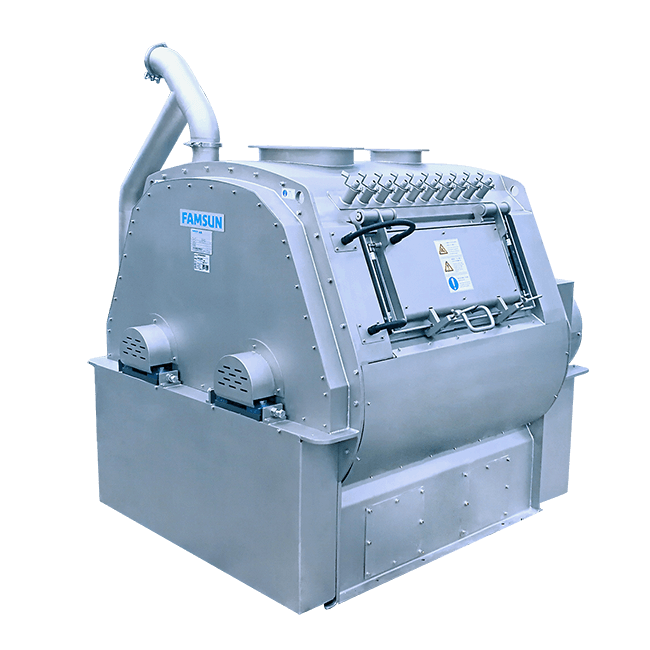
The selection of process sections requires attention to production targets and feed types. FAMSUN provides integrated food and feed processing solutions covering areas such as grinding, mixing, pelleting, and extrusion. They develop equipment combinations according to customer requirements.
Designing Around Energy Reliability And Operation Needs
A feed mill infrastructure plan should include solutions for voltage fluctuations that may affect motors, control systems, and production stability. Engineers can evaluate electrical conditions early and prepare suitable protection measures for machinery performance.
Backup fuel systems can support operations when grid availability becomes inconsistent. These arrangements help maintain production schedules and protect investment in equipment. The final design should balance energy needs with operating costs for long-term business performance.
A reliable animal feed production process depends on coordinated equipment performance across multiple stages. Grinding, batching, mixing, and pelleting systems must work together to maintain product quality and efficient material flow throughout daily operations.
Automation and process control can improve operational consistency by managing production parameters accurately and coordinating equipment performance across different stages. Configurable batching and control solutions allow producers to adjust formulations while maintaining stable material flow and equipment operation. Integrated control strategies can also provide better visibility into energy use, helping manufacturers balance production requirements, equipment performance, and operating costs.
Adapting Equipment For Local Raw Materials
Regional ingredients require careful evaluation because grain, agricultural by-products, and other resources may differ in physical characteristics. A feed machine system should support suitable processing methods for available materials and targeted feed formulas.
Raw material handling influences storage design, conveying arrangements, and processing efficiency. Companies should evaluate ingredient characteristics before finalizing equipment placement, ensuring smooth movement from receiving areas through production stages.
For many enterprises, flexible animal feed production capabilities are important because markets may require livestock, poultry, or aquaculture products. Equipment configurations can support different formulas while maintaining operational adaptability for future expansion.
FAMSUN provides pelleting equipment designed for livestock, poultry, ruminant, aquafeed, pet food, cereal processing, and by-product applications. They offer different transmission options and configurations to meet production requirements.
Feed Machine Planning For Maintenance Access
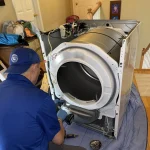
A successful project requires maintenance access to every major equipment area. Feed Machine placement should allow inspection, cleaning, repairs, and replacement activities without creating unnecessary production delays.
Service planning should begin during engineering design rather than after installation. Clear equipment spacing, accessible working areas, and practical routes for maintenance teams contribute to safer and more efficient plant operation.
Local technical capability is another important consideration for agricultural companies investing in processing facilities. Training, documentation, and service support help operators manage equipment correctly and maintain production stability.
FAMSUN serves projects through consulting, design, engineering, installation, commissioning, training, and service activities. They provide lifecycle support options that help customers manage equipment operation after project completion.
Creating Practical Project Execution Strategies
Project execution in sub-Saharan Africa requires coordination between engineering teams, local contractors, and production managers. Clear communication helps address site limitations and ensures that installation activities follow operational requirements.
A complete design review should examine transportation routes, construction conditions, electrical systems, and environmental factors. These evaluations help reduce unexpected challenges during installation and commissioning phases.
Investors should also consider future capacity needs when planning facilities. A scalable design allows companies to adjust production volumes as market demand develops while avoiding unnecessary initial complexity.
The right production solution depends on each company’s goals, available resources, and operational environment. FAMSUN works with customers through customized solutions and combines equipment experience with engineering services to facilitate different feed and food processing projects.
Improving Long-Term Feed Mill Performance
Long-term performance depends on consistent maintenance, operator skills, and suitable equipment management practices. Companies should establish procedures for inspection, cleaning, and operational monitoring to protect production efficiency.
Technology choices should support product quality and business requirements rather than focus only on initial installation. A balanced approach helps enterprises manage operating expenses while maintaining dependable manufacturing capability.
Efficient animal feed production facilities require cooperation between machinery suppliers and local teams. Knowledge sharing, service communication, and practical operating methods contribute to stable production results over many years.
A carefully designed feed mill can promote agricultural growth in sub-Saharan Africa by addressing local challenges with suitable engineering solutions. Proper planning around power, materials, and maintenance creates a foundation for reliable industrial operations.
Conclusion
Designing feed mill infrastructure for sub-Saharan Africa requires attention to energy conditions, raw materials, and service accessibility. Companies that evaluate these factors can create practical facilities with dependable performance. FAMSUN supports global feed projects with engineering solutions that help customers develop systems suited to different production environments.