
Modern lighting projects increasingly demand solutions that combine discreet installation, visual consistency, and practical maintenance. Furniture manufacturers, interior designers, and lighting distributors often look beyond the light source itself, paying attention to how it integrates with cabinets, shelving, display units, and architectural details. Aluminum-profile systems offer a useful approach by combining an LED strip with a supporting structure that helps manage heat and shape light distribution.
For buyers evaluating wholesale lighting fixtures, understanding profile construction, electrical specifications, and installation flexibility can make product comparisons considerably more meaningful. LEDIA Lighting serves this market through its range of LED strip and integrated furniture lighting products.
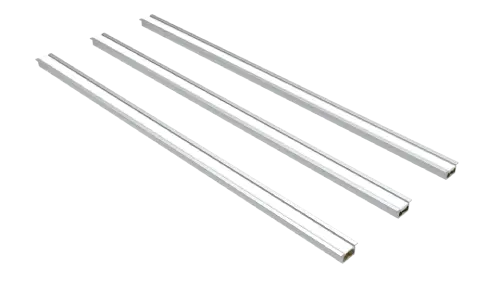
How Aluminum Profiles Influence LED Strip Performance
An aluminum profile is more than a decorative housing. It provides a mounting surface for the LED strip, helps conduct heat away from the circuit board, and can accommodate optical accessories such as diffusers and covers. These functions influence the appearance and operating conditions of the installed lighting system. Profile dimensions, wall thickness, and installation position should be considered together because they affect both thermal performance and the available space for wiring.
Heat management deserves particular attention in enclosed furniture installations. LED components generate heat during operation, and excessive temperature can accelerate material degradation or affect light output over time. Aluminum’s thermal conductivity makes it a common material for LED housings, although actual heat dissipation also depends on the strip’s power consumption, profile dimensions, surrounding materials, and ventilation conditions. A compact profile installed inside a poorly ventilated cabinet may behave differently from the same product mounted in an open display structure.
Optical design is another reason profiles matter. A diffuser can soften the appearance of individual LED points and create a more continuous illuminated surface, particularly when the strip has suitable diode density and the profile provides sufficient mixing distance. Transparent covers generally allow more direct light transmission, while frosted or opal materials produce a softer visual effect. Buyers comparing an aluminium strip LED system should examine the complete assembly rather than judging the LED tape independently.
Important Specifications to Check Before Purchasing
Electrical compatibility is one of the first technical details that distributors and installers should verify. LED strips commonly operate at specified low-voltage DC levels, such as 12V or 24V, and the power supply must match the rated voltage. Wattage per meter determines the connected load, while total installation length helps calculate the required driver capacity. A suitable operating margin should be maintained according to the manufacturer’s recommendations rather than selecting a power supply based only on the nominal wattage.
Color temperature and color rendering also influence how furniture and merchandise appear under artificial illumination. CCT describes the visual warmth or coolness of white light, with 2700K–3000K commonly associated with warmer interiors and 4000K often used in more neutral environments. CRI provides an indication of color reproduction accuracy. Retail displays, clothing stores, and kitchen interiors may benefit from careful color selection because the lighting can change how fabrics, finishes, and surface textures are perceived.
Cutting flexibility is particularly relevant to projects involving furniture with different dimensions. Conventional strip products may have defined cutting intervals, requiring installers to plan around the circuit layout. Profile compatibility, connector design, and access to electrical terminals should also be reviewed before an order is placed. For buyers sourcing wholesale lighting fixtures, consistent product specifications and clearly documented installation requirements can simplify inventory planning across multiple projects.
Matching Profile Lighting to Furniture and Retail Applications
Furniture lighting often needs to fit into narrow spaces without interfering with doors, drawers, shelves, or other moving components. Wardrobes benefit from illumination that makes clothing and storage compartments easier to access, while kitchen cabinets may require discreet lighting beneath shelves or inside enclosed sections. Retail furniture introduces additional requirements because illuminated shelves and display structures need to maintain a consistent appearance across different product arrangements.
Installation design should account for the relationship between the light source and the illuminated surface. A strip placed too close to a glossy cabinet panel may create unwanted reflections, whereas an unsuitable beam direction can leave deeper storage compartments poorly illuminated. Profiles can help control the position of the light source, but the final result also depends on mounting orientation, diffuser characteristics, and the distance between the fixture and the target surface. Testing a representative installation before large-scale production can reveal these issues early.
One example from LEDIA Lighting is its Built-in and Free-cutting Aluminum Profile Strip Light F01, developed for whole-house furniture lighting and retail applications. Its design incorporates a patented quick plug-in terminal, soldering-free installation, and free-cutting flexibility to accommodate different installation lengths.
The product is available in lengths of up to 3 meters, helping reduce material waste and installation labor. Its two-wire CCT function allows users to adjust the lighting atmosphere for different settings, including wardrobes, closets, kitchen cabinets, and retail furniture. These features make the F01 a relevant reference when evaluating integrated profile lighting for customized furniture projects.
Conclusion
Aluminum-profile lighting combines the functional properties of a supporting structure with the visual flexibility of LED illumination. Its suitability depends on several interconnected factors, including thermal management, optical performance, electrical compatibility, cutting requirements, and the physical constraints of the installation.
A well-evaluated aluminium strip LED system can serve furniture interiors and retail displays without requiring the same configuration for every application. With products such as the F01 and its reported manufacturing infrastructure, LEDIA Lighting offers options for businesses exploring integrated furniture illumination. Careful comparison of technical specifications, sample performance, and supplier capabilities gives distributors a more reliable basis for purchasing wholesale lighting fixtures that meet their customers’ project requirements.

