
Typography and written communication, certain symbols carry centuries of history and artistic significance. The Hedera Punctuation mark stands as one of these fascinating relics, bridging the ancient past with modern design aesthetics.
Shaped like a graceful ivy leaf, this ornamental symbol once graced Roman monuments, medieval manuscripts, and countless classical texts, serving as both a functional text divider and a beautiful decorative element. While most people today have never heard of Hedera Punctuation, its elegant form continues to influence contemporary typography, appearing in wedding invitations, formal certificates, and high-end design work.
What Is A Hedera Punctuation Mark?
A hedera punctuation mark, also known as a fleuron or hedera helix, is a typographical ornament shaped like an ivy leaf that was used in ancient and medieval manuscripts. The name comes from the Latin word “hedera,” meaning ivy, and it served as a decorative separator between paragraphs, sections, or sentences in classical texts. This elegant symbol (❧) was particularly popular in Greek and Latin manuscripts before the adoption of the pilcrow (¶) became more common.
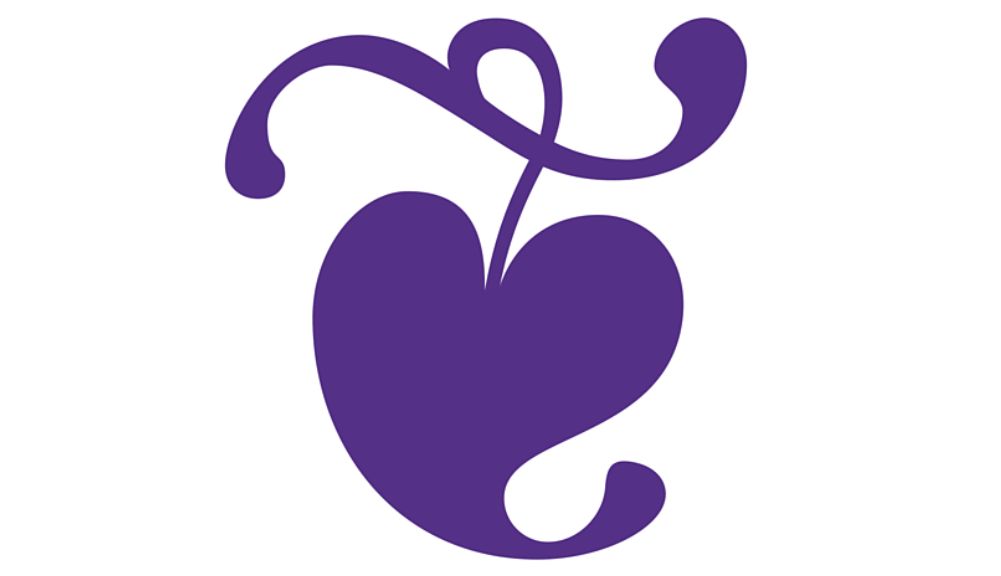
The hedera was valued for both its aesthetic appeal and functional purpose, helping readers navigate through continuous text that lacked modern punctuation and spacing conventions. While it fell out of regular use centuries ago, the hedera has experienced a revival in modern typography and design, often appearing in wedding invitations, certificates, and decorative documents where a classical or elegant touch is desired.
History Of The Hedera Punctuation Mark
The hedera punctuation mark has its origins in ancient Greek and Roman writing practices, dating back to at least the 2nd century BCE. Early scribes and stone carvers used the ivy leaf symbol as a decorative device to mark divisions in text, particularly at the end of paragraphs or to separate distinct sections in inscriptions and manuscripts.
The symbol’s association with ivy held cultural significance in classical antiquity, as ivy was sacred to Dionysus (Bacchus) and symbolized immortality and fidelity, making it an appropriate ornament for important texts. During the Roman Empire, the hedera became increasingly common in both stone inscriptions and written documents. It appeared on monuments, tombstones, and official records, serving both aesthetic and practical purposes.
What Is A Hedera Punctuation Mark Used For?

Historical Uses
- Separated paragraphs and marked transitions between different sections of text in ancient manuscripts and inscriptions
- Indicated the end of complete thoughts or passages in continuous text that lacked modern spacing and formatting
- Helped readers navigate through documents before standardized punctuation systems existed
- Separated names from epitaphs on Roman tombstones and monuments
- Distinguished between different pieces of information in stone inscriptions
- Marked dates and important divisions in formal documents and legal texts
Decorative and Aesthetic Function
- Added visual beauty and elegance to manuscripts and written works
- Enhanced the overall appearance of important texts, making them more pleasing to read
- Indicated the formal nature and significance of the document
- Often rendered with elaborate artistic flourishes in illuminated manuscripts
- Colored or gilded to match other decorative elements on the page
- Elevated religious texts, legal documents, and literary works through visual presentation
Symbolic Significance
- Represented immortality and eternal life due to ivy’s evergreen nature
- Symbolized fidelity and lasting bonds because of ivy’s clinging growth habit
- Conveyed permanence and enduring value in important texts
- Expressed eternal memory of the deceased in funerary inscriptions
- Implied the timeless nature of philosophical and literary ideas
- Connected written works to classical traditions and cultural heritage
Modern Applications
- Used in wedding invitations and announcements for romantic, elegant appeal
- Incorporated into certificates, diplomas, and academic documents
- Appears in book design as section breaks or chapter ornaments
- Used in branding materials for organizations projecting sophistication and tradition
- Featured in classical literature editions and works with historical settings
- Applied to formal documents requiring a traditional or ceremonial aesthetic
Typography and Digital Use
- Functions as an ornamental glyph or decorative dingbat in modern typography
- Available through Unicode character set (❧, U+2767) for digital applications
- Used in websites, digital publications, and graphic design projects
- Provides visual variety and helps structure content in interesting ways
- Included in many fonts as decorative ornaments alongside other fleurons
- Serves similar purposes to asterisms, dinkuses, and other typographical separators
Cultural And Educational Value
- Serves as a tangible link to the history of written communication
- Studied by historians and paleographers to understand ancient text organization
- Used in museum exhibitions and historical document reproductions
- Teaches about the evolution of writing systems and punctuation
- Demonstrates the intersection of functional and artistic considerations in typography
- Preserves knowledge of how beauty and symbolic meaning were incorporated into writing
Hedera Punctuation Mark Ususing In Daily Life
Personal Stationery and Correspondence
- Used on personal letterheads and notepaper for elegant correspondence
- Added to thank-you cards and personal notes to add sophistication
- Incorporated into return address labels and envelope designs
- Featured on custom bookplates and ex libris stamps
- Used in handwritten letters and cards for decorative paragraph breaks
- Added to personal business cards for professionals in creative or traditional fields
Wedding And Event Planning
- Appears on wedding invitations and save-the-date cards
- Used in wedding programs, menus, and seating charts
- Featured on bridal shower and engagement party invitations
- Incorporated into anniversary celebration materials
- Added to birth announcements and baby shower invitations
- Used in graduation party invitations and ceremony programs
Digital Communication
- Copied and pasted into emails for formal or decorative correspondence
- Used in social media posts for aesthetic appeal (Instagram captions, Pinterest graphics)
- Incorporated into digital signatures and email footers
- Added to blog posts and online articles as section dividers
- Featured in digital greeting cards and e-invitations
- Used in text messages or messaging apps for decorative emphasis (though rarely)
Journaling and Personal Writing
- Used as decorative elements in bullet journals and planners
- Added to personal diaries and gratitude journals as section markers
- Incorporated into scrapbooking and memory keeping projects
- Featured in hand-lettering and calligraphy practice
- Used to mark special entries or important dates in journals
- Added to vision boards and goal-setting documents
Professional and Business Use
- Incorporated into certificates of achievement and awards
- Used on professional diplomas and training completion documents
- Featured in corporate branding for luxury or heritage brands
- Added to restaurant menus, especially for upscale establishments
- Used in boutique hotel stationery and guest communications
- Incorporated into law firm, academic, or historical society letterheads
Creative and Craft Projects
- Used in rubber stamping and card-making hobbies
- Featured in embroidery patterns and cross-stitch designs
- Incorporated into vinyl cutting projects for home decor
- Added to printable art and wall decorations
- Used in handmade gift tags and wrapping embellishments
- Featured in DIY wedding and party decoration projects
Home and Lifestyle
- Appears on decorative signs and wall art with inspirational quotes
- Used in custom home address plaques and house number displays
- Featured on family recipe cards and cookbook designs
- Incorporated into family tree and genealogy documents
- Added to custom photo albums and memory books
- Used in home organization labels with a decorative touch
Educational and Academic Settings
- Featured on student certificates and academic honors
- Used in classroom decorations and educational posters
- Incorporated into school yearbook designs and chapter breaks
- Added to student planners and assignment organizers
- Featured in library bookmarks and reading program materials
- Used in educational materials for teaching historical writing systems
Literary And Reading Activities
- Used as bookmarks with decorative designs
- Featured in book club materials and reading group invitations
- Incorporated into personal book reviews and reading journals
- Added to literary-themed party invitations and events
- Used in poetry notebooks and creative writing journals
- Featured in author signatures and book signing materials
Seasonal And Holiday Uses
- Incorporated into Christmas cards and holiday greetings
- Used in seasonal party invitations (autumn gatherings, spring celebrations)
- Featured on gift tags for special occasions
- Added to holiday recipe cards and cooking journals
- Used in seasonal home decorations and table settings
- Incorporated into holiday photo cards and family newsletters
Read More: Which One Is Correct Kickoff Or Kick-Off & Meaning
Conclusion
The Hedera Punctuation mark represents far more than a simple typographical ornament—it embodies the intersection of functionality, artistry, and cultural symbolism that has characterized written communication throughout human history. From its origins in ancient Greek and Roman inscriptions to its presence in medieval manuscripts and its modern revival in contemporary design, the Hedera Punctuation mark has demonstrated remarkable resilience and adaptability.
It no longer serves as a standard punctuation mark in everyday writing, its continued use in formal documents, wedding materials, and decorative typography proves that beauty and tradition still hold value in our digital world.