
Varicose veins are more than just a cosmetic concern: they can signal underlying health issues that many of us may overlook. If you’ve been searching for a vein clinic near North Fort Worth, this guide will help you understand what varicose veins are, the causes behind them, and the best ways to manage and prevent them. Whether you’re experiencing symptoms or simply want to deepen your knowledge, this text provides everything you need to know to take control of your vascular health.
What Are Varicose Veins?
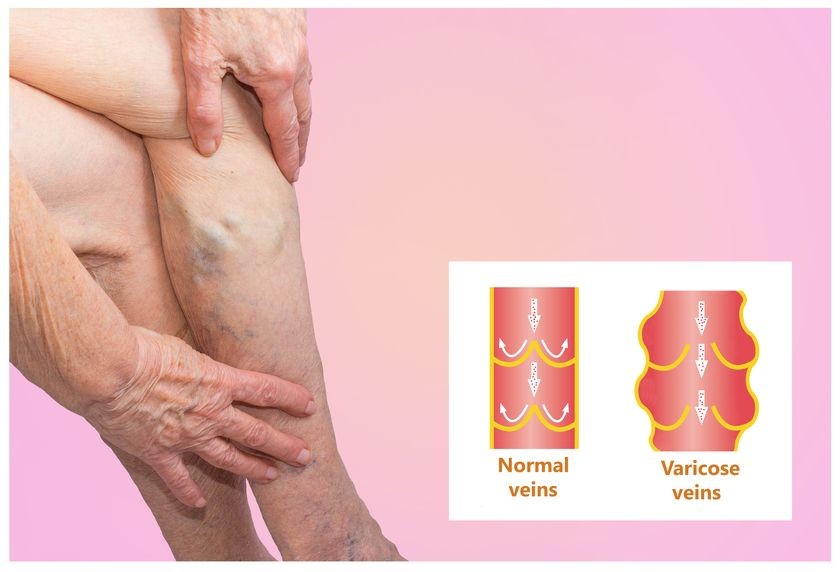
Varicose veins are swollen, enlarged veins that often appear bluish or dark purple. They typically develop in the legs and feet where pressure from standing or walking can impede blood flow. When the valves within these veins weaken, they allow blood to pool, leading to the visible bulging that characterizes varicose veins. While they can affect anyone, they are particularly common in women and older adults.
We should note that varicose veins are not just a cosmetic concern. These veins can cause discomfort and may lead to more serious health issues if not addressed.
Causes of Varicose Veins
The formation of varicose veins is primarily attributed to issues with the venous valves. These valves normally help blood flow toward the heart, but if they malfunction, blood can flow backward and pool in the veins. Several factors can contribute to this situation, including:
- Pregnancy: The increased blood volume and hormonal changes can put extra pressure on the veins.
- Obesity: Excess body weight adds more pressure on the leg veins.
- Age: As we age, our veins can lose elasticity, leading to valve issues.
- Genetics: A family history of varicose veins can increase our chances of developing them.
- Occupational Factors: Jobs that require prolonged standing can result in increased pressure in the leg veins.
Symptoms and Complications
Varicose veins may not always cause symptoms, but when they do, we might experience:
- Aching or heaviness in the legs
- Swelling in the ankles and feet
- Itching around the vein
- Changes in skin color near the varicose veins
In some cases, complications can arise:
- Superficial thrombophlebitis: This inflammation can occur in larger varicose veins.
- Ulcers: These can develop near varicose veins, especially if they become severely inflamed.
- Bleeding: The affected veins can occasionally rupture, leading to significant blood loss.
It’s essential to consult a healthcare provider if we experience these symptoms, as they can help prevent severe complications.
Risk Factors
While anyone can experience varicose veins, certain risk factors make it more likely:
- Gender: Women are more prone due to hormonal factors.
- Age: The risk increases as we age due to decreased valve elasticity.
- Family History: A personal or family history of varicose veins raises the risk.
- Obesity: Extra weight can put additional pressure on the venous system.
- Sedentary Lifestyle: Prolonged inactivity can hinder proper blood circulation.
Understanding these risk factors can help us take proactive steps to mitigate our chances of developing varicose veins.
Diagnosis of Varicose Veins
Diagnosing varicose veins typically starts with a physical examination where our healthcare provider examines our legs while we are standing. They may ask about our symptoms and family history. To confirm the diagnosis and assess the severity, they might recommend:
- Ultrasound: This non-invasive test uses sound waves to create images of the veins, helping to evaluate blood flow and pinpoint valve issues.
- Venography: In rare cases, this X-ray test may be used where a special dye is injected into a vein to see the vein structure clearly.
Treatment Options
Treatment for varicose veins can vary based on severity and symptoms. Here are some common options:
- Lifestyle Changes: Increasing physical activity, losing weight, and elevating our legs can improve circulation.
- Compression Stockings: These can provide support to the veins and reduce swelling.
- Sclerotherapy: This involves injecting a solution into the vein, causing it to collapse and fade.
- Endovenous Laser Therapy (EVLT): A minimally invasive procedure that uses lasers to close affected veins.
It’s important to discuss these options with a healthcare provider to determine the best approach for us.
Prevention Strategies
Preventing varicose veins is often about making lifestyle changes that promote vein health. Here are some effective strategies:
- Regular Exercise: Physical activity improves blood circulation.
- Healthy Diet: Eating a diet rich in fiber and low in salt can keep us at a healthy weight and support circulation.
- Weight Management: Maintaining a healthy weight reduces pressure on veins.
- Elevate Your Legs: Elevating our legs can help blood flow back to the heart.
- Avoiding Prolonged Standing or Sitting: Taking breaks to move around during long periods of inactivity is crucial.
Conclusion
Understanding varicose veins, their causes, symptoms, and treatment options is vital for managing our health. By recognizing the risk factors and implementing prevention strategies, we can take proactive steps to reduce our chances of developing varicose veins. If we do experience symptoms, timely medical consultation can help us address the condition appropriately, ensuring we maintain our leg health and overall well-being.