
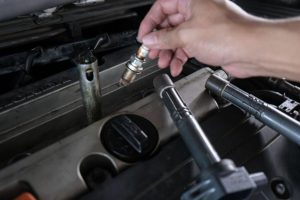
When heavy machinery fails to start, it disrupts productivity and delays your schedule. In most cases, the issue isn’t the battery or switch but an aging starter motor. This article shares the early signs of a failed starter, the time to replace and practical tips to extend its lifespan. Read now and see how it reduces your downtime.
How Does the Starter Motor Work?
The starter motor takes power from the battery and uses it to turn the engine. First, a little gear moves and touches the flywheel. Then the starter turns the flywheel so the engine can start. Once the engine runs on its own, the gear pulls back so nothing gets damaged. If parts are rusty, loose, or too hot, the starter might not work.
11 Signs of Bad Starter Symptoms
Starter failure rarely happens overnight. Recognizing the early signs can save significant repair costs. Below are 11 common symptoms off‑road machinery owners should never ignore.
1. Dash Lights On But Engine Fails to Start
If you found this issue, it means the electrical components of the system are working properly, but the starter motor may not be engaging. This is usually due to a fault in the starter motor’s solenoid switch or internal brushes.
2. Repeated Clicking Sound
If you hear one “click,” or many fast “clicks,” when you turn the key, it means the power to the starter motor is not working right. The relay turns on, but the starter motor does not spin. This usually shows that something inside the starter is worn out.
3. Sluggish Cranking
Even if the battery is full, the engine may still start slowly. This often means the starter motor has too much resistance inside, or its windings are worn out. The problem gets even worse when the weather is cold.
4. Grinding Noise
A metal scraping sound means the pinion and flywheel are not lined up correctly or are worn out. If you ignore this problem, the flywheel teeth can get badly damaged. Then the repair will cost a lot of money because the parts need to be taken apart.
5. Freewheeling
If you only hear a buzzing or hissing sound during startup, it means that the pinion is spinning freely and is not engaging with the flywheel.
6. Smoke or Burning Odor
Prolonged cranking or an electrical short can make the starter smoke. The coils or bearings may be burning. Stop the machine immediately to avoid complete failure.
7. Oil‑Soaked Casing
The starter motor sits low on the engine, so it can get soaked in oil. This oil can damage insulation, reduce conductivity, and quickly cause corrosion.
8. Starter Keeps Running After Engine Starts
A stuck solenoid valve can keep the starter motor running even after the engine starts. This extra friction can damage the solenoid contacts and the flywheel.
9. Intermittent Operation
Sometimes the starter works, sometimes it doesn’t. This usually realme c71 price in Bangladesh means the voltage supply or relay is unstable. Changes in humidity or temperature can make the solenoid’s metal parts expand and affect contact reliability.
10. Total No‑Crank Condition
If the engine makes no sound, doesn’t turn, and jumper cables don’t work—even with a fully charged battery—the starter motor has likely failed.
11. Battery Below 12.3 V
The battery might be weak; recharge and retest. If the voltage is fine but the engine remains silent, target the starter motor.
When Should You Replace Your Starter Motor?
There are 5 symbols for you to consider replacing your starter motor:
- Voltage readings are normal, but the starter doesn’t respond.
- The unit drags even after confirming healthy battery conditions.
- Excessive smoke or grinding indicates internal damage.
- It has surpassed its typical lifespan (roughly 5,000–7,000 start cycles).
- Oil leakage or physical cracks are visible on inspection.
If you observe the signs mentioned above, it is recommended to replace the part promptly or seek assistance from a mechanic. If your equipment frequently operates in harsh environments, it is advisable to always carry a spare starter motor to avoid equipment downtime.
Tips to Prolong Your Starter Motor Life
Although a starter motor is built to handle tough conditions, simple preventive care can still extend its life. Here are practical tips for construction and off-road equipment:
- Tighten all electrical connections. Loose or corroded wires limit current flow and make the starter overheat.
- Check heat shields and grounding points. Starters mounted near manifolds or mufflers can get too hot if the shields are damaged or missing.
- Inspect engine oil seals. Fix leaks early to keep oil from soaking the starter and its wiring.
- Control the crank time. Don’t crank for too long; if a diesel won’t start after 10 seconds, stop and try again.
- Maintain a healthy battery. A weak battery forces the starter to work harder at low voltage.
If these steps don’t solve repeated issues, it’s time to look deeper or consider replacing the starter.
Final Thoughts
Starter problems may look small, but for off-road equipment, they can stop an entire project. Spotting early signs—like clicking sounds, smoke, or grinding—helps you take action before the damage grows. When you repair or replace the starter, choose a tested unit with a warranty and proper electrical compatibility. Regular checks, proper voltage, and good-quality aftermarket parts will keep your engine starting each day reliably on the job site.